Geopolitical Risk Software Is Measuring the Wrong Thing
Shekhar Attri · July 3, 2026
Editorial
Analysis on geostrategic risk, sector exposure, and what boards and CROs actually need from intelligence.

EY found board action on political risk tripled since 2021, yet only 30% of CEOs can see their own exposure. The tooling, not the attention, is the gap.
Shekhar Attri · July 3, 2026

82% of boards now receive regular political risk briefings. Only 30% of CEOs can see their own exposure. The briefing format, not the appetite, is what fails.
Shekhar Attri · July 3, 2026

72% of executives now call geopolitical instability a top economic risk, up 21 points in one quarter. Most platform evaluations still score coverage. That is the wrong test.
Jay Bimbrah · July 3, 2026

BIS Entity List growth, the deemed export doctrine, and a $300M Seagate penalty signal a shift in export control enforcement that sits well outside what most supply chain risk systems are built to detect.
Jay Bimbrah · July 2, 2026
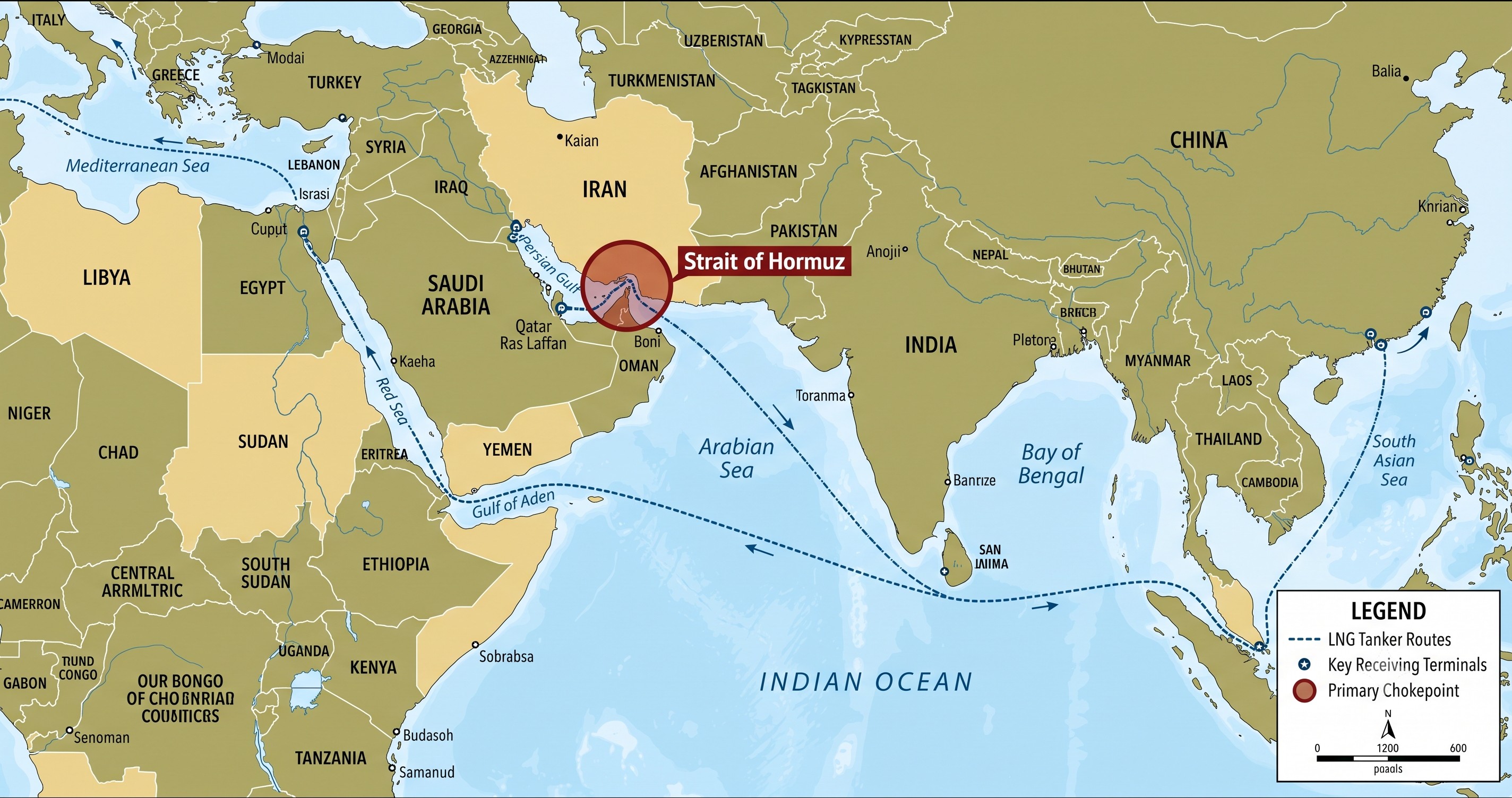
When Iran closed the Strait of Hormuz in March 2026, energy companies had a narrow window to exercise supply alternatives before logistics and contract options foreclosed. Japan had prepared. Most European buyers had not.
Shekhar Attri · July 1, 2026

Boards receive geopolitical briefings regularly but act on them intermittently. A four-part briefing structure that translates intelligence into mandatory decision points rather than standing awareness items.
Jay Bimbrah · July 1, 2026
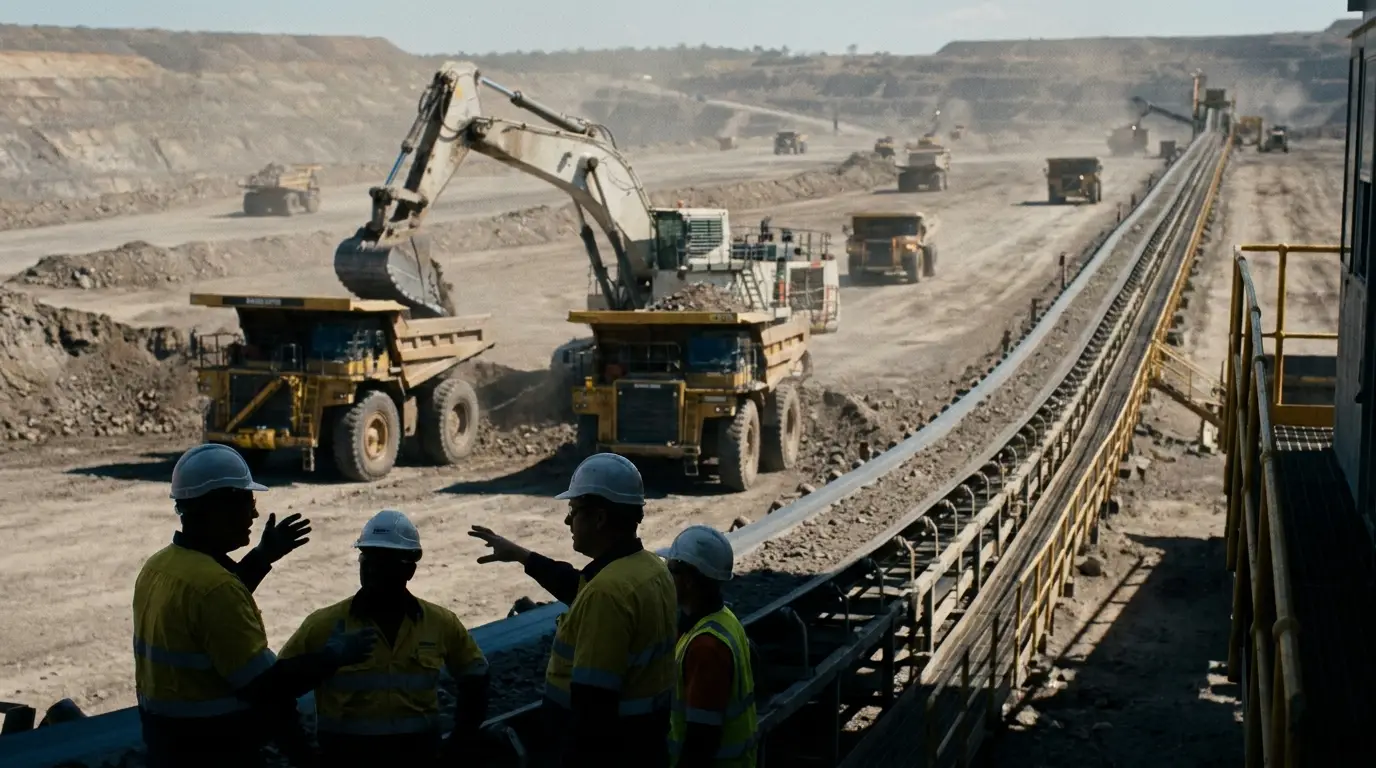
The energy transition does not reduce geopolitical risk. China refines 91% of rare earth elements and over 90% of battery-grade graphite. That processing concentration is the risk map most supply chain assessments do not yet reach.
Shekhar Attri · July 1, 2026

Most corporate watch indicator lists describe conditions rather than triggering thresholds. Here is why they rarely produce action, and what calibrated indicators are actually designed to do.
Shekhar Attri · July 1, 2026

Boards are now expected to govern geopolitical risk under SEC disclosure requirements. Most are still receiving situation reports instead of decision briefs. The format difference determines whether the board can act.
Shekhar Attri · June 30, 2026

Country risk reports are built for annual review cycles. When the Strait of Hormuz closed in March 2026, CROs relying on quarterly vendor scores had already missed the decision window.
Jay Bimbrah · June 30, 2026